
News
Selecting the Right Model: Fibroblast Cultures vs. Ex Vivo Skin Explants
Choosing the correct biological model is the first step in designing a successful experiment because it determines the type of data you will collect.
Read More
Protocol Focus: Measuring Collagen Upregulation via Hydroxyproline Analysis
This guide explains why this amino acid is the standard marker for collagen studies and how to perform the measurement correctly.
Read More
Analytical Methods for GHK-Cu Studies: Assays and Quantification
This guide outlines the standard analytical protocols used to quantify the impact of GHK-Cu on cell viability and protein synthesis.
Read More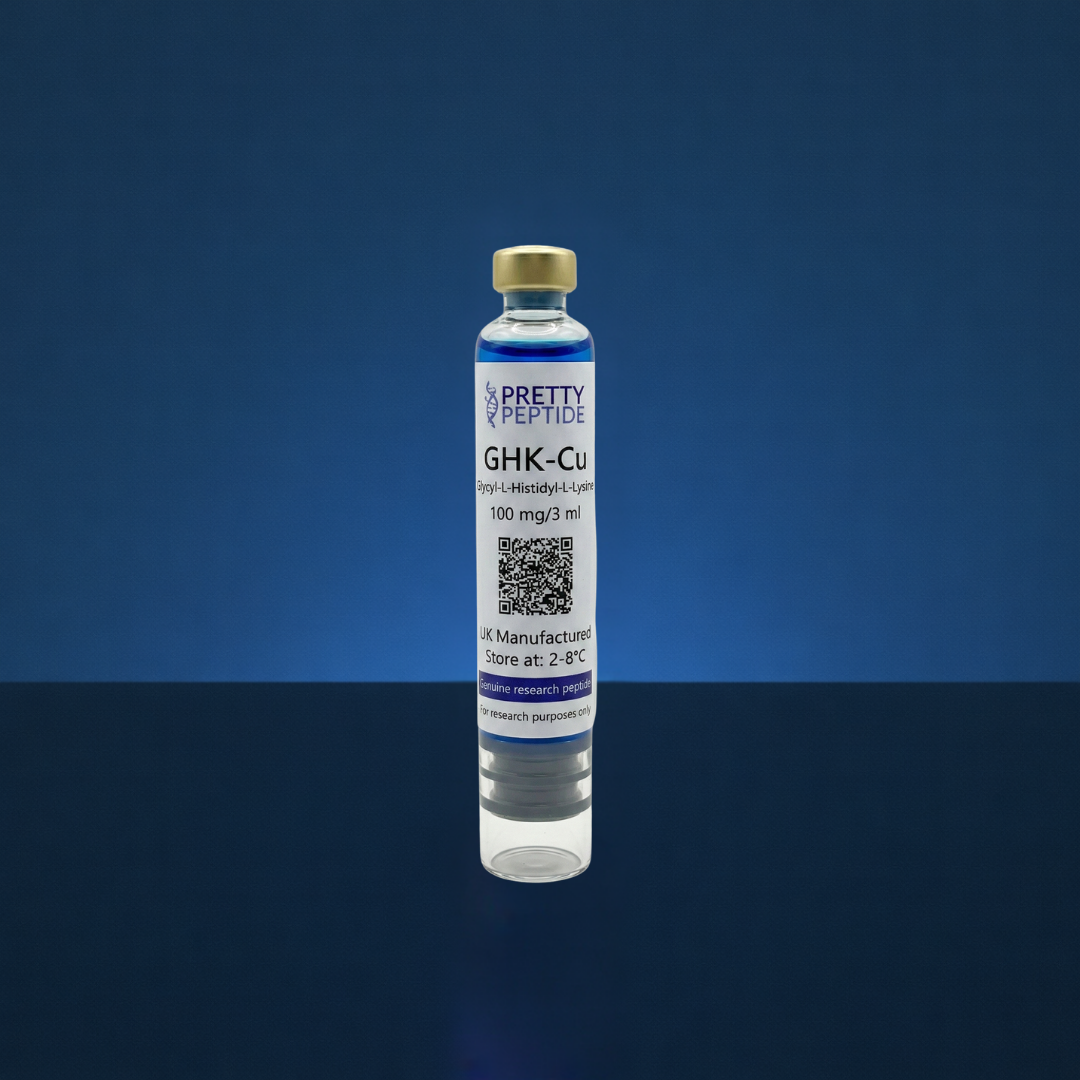
The Copper Variable: Comparing GHK-Free Base vs. GHK-Cu Complex
Is the magic in the peptide sequence itself, or is it in the copper that it carries? This is one of the most fundamental questions researchers ask when designing experiments with GHK.
Read More
Sequence Variations: Glycine vs. Alanine (GHK-Cu vs. AHK-Cu)
Changing just one small building block in a peptide chain can completely alter how it behaves in a laboratory experiment.
Read More
Comparative Analysis: GHK-Cu, GHK, and AHK-Cu in Laboratory Applications
Not all copper peptides behave the same way in a petri dish because the specific order of amino acids changes how tightly they hold copper and which cells they target.
Read More
Lysyl Oxidase and Collagen Strength: The Copper Link
Lysyl Oxidase (LOX) is a critical enzyme that relies on copper to build strong tissue by connecting collagen fibres together.
Read More
GHK-Cu and Superoxide Dismutase (SOD): The Antioxidant Connection
Superoxide Dismutase (SOD) is one of the most important enzyme systems in the body because it acts as the primary defence against cellular damage caused by free radicals.
Read More
The Biochemistry of Copper: Why GHK-Cu Matters in Physiology
Copper acts as the electricity that powers the cellular factory, ensuring that vital biological machines can run effectively.
Read More